
MeenakshiSteel Traders
By Teja | May 27, 2026 | 6 min read
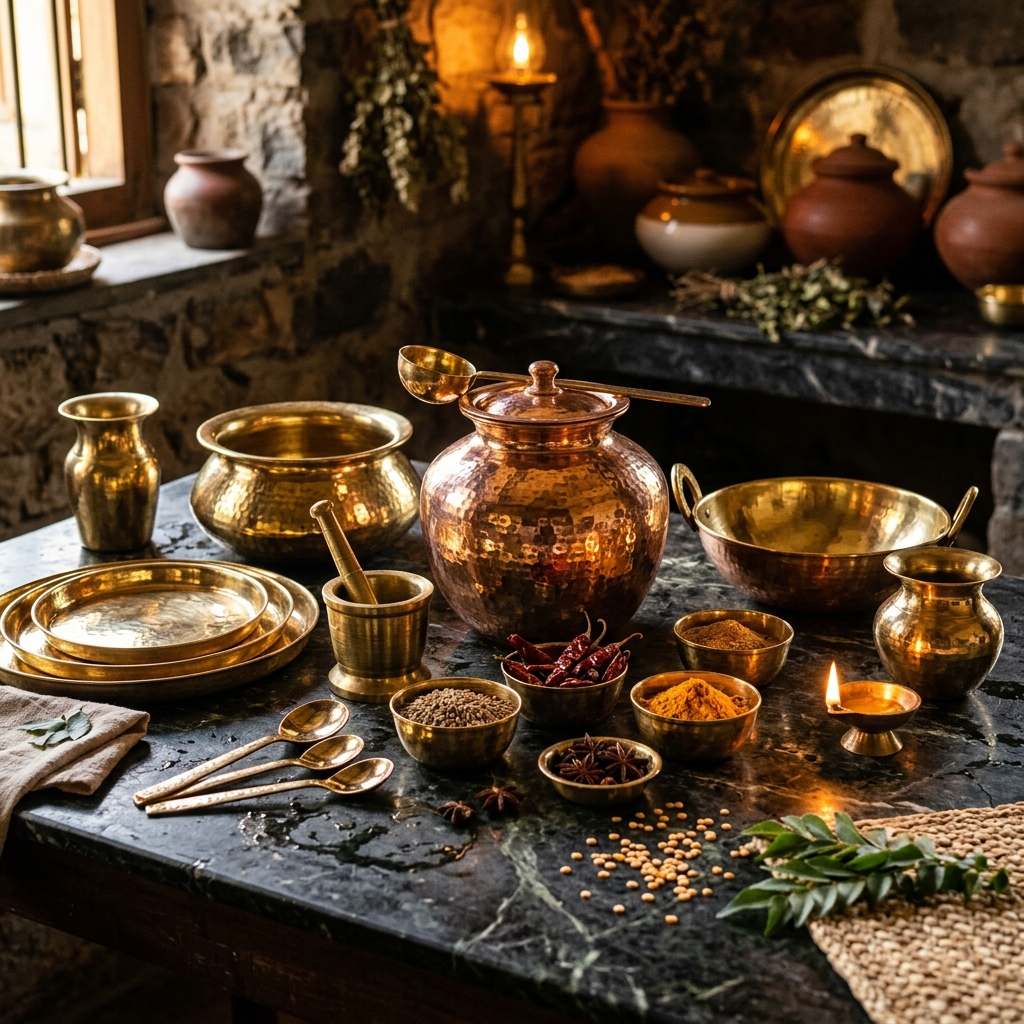
Long before stainless steel and non-stick Teflon dominated our kitchen cabinets, the Indian kitchen gleamed with the golden hues of brass (Pital) and the rich reddish-orange tones of copper (Tamba). These metals are deeply intertwined with our cultural heritage, Ayurvedic practices, and festive traditions. Copper water dispensers are celebrated for their health benefits, while heavy brass handis are the secret to slow-cooked, deeply flavorful biryanis and rich curries. However, these beautiful metals come with a catch: they tarnish. Exposure to air, water, and acidic foods causes oxidation, turning that brilliant shine into a dull, patchy brown or greenish-black. The good news? Restoring them is remarkably easy, using completely natural ingredients found right in your pantry.
To clean these metals effectively, you must understand why they tarnish. Copper is a highly reactive metal. When exposed to oxygen and moisture, it oxidizes. Brass is an alloy made of copper and zinc, meaning it suffers a similar fate. Over time, a layer of copper oxide forms on the surface. If exposed to acidic conditions without cleaning, this can eventually turn into copper carbonate—the toxic green layer known as 'verdigris'. This is why traditional Indian cooking vessels made of brass or copper are usually lined with a layer of tin (a process called 'kalai') on the inside to prevent food from reacting with the metal.
The most ancient, effective, and readily available method in any Indian household for cleaning brass and copper involves tamarind (imli). Tamarind is highly acidic, containing tartaric acid, which acts as a powerful natural solvent for copper oxide.
The Method: Soak a small lemon-sized ball of raw tamarind in a little warm water for 10 minutes until it softens. Dip the soft tamarind pulp into coarse sea salt. The salt acts as a gentle abrasive. Vigorously rub the tamarind and salt mixture all over your tarnished brass idols or copper jugs. You will see the black oxidation melt away instantly, revealing the bright, glowing metal underneath. Once clean, rinse the item thoroughly under running water and immediately dry it with a soft cotton cloth. Leaving water drops to air dry will instantly cause water spots and rapid re-tarnishing.
If you don't have tamarind, lemon is a fantastic substitute. Lemons contain citric acid, which serves the same chemical purpose. You can simply cut a lemon in half, dip the exposed flesh into regular table salt, and scrub your utensils.
For a deeper polish on heavily tarnished antique brass, create a paste using lemon juice and baking soda. Apply this effervescent paste generously over the brass item. Let it sit for 10 to 15 minutes to allow the acid to break down the grime. Take a soft cloth or an old toothbrush (for intricate carvings on puja items) and scrub gently. Rinse with warm water and buff dry.
It might sound like an internet myth, but standard tomato ketchup is a miracle cleaner for copper. Why? Ketchup contains a potent trio: tomatoes (which are naturally acidic), vinegar (highly acidic acetic acid), and salt. This combination is a chemical nightmare for copper oxide.
The Method: Squeeze a generous layer of ketchup over your dull copper bottom pans or copper mugs. Let it sit completely undisturbed for 20 to 30 minutes. You don't even need to scrub. After the time has passed, simply wipe the ketchup away with a sponge and rinse with warm soapy water. You will be astounded by the mirror-like shine beneath. This method is particularly excellent for the copper bases of stainless steel cooking pots.
For heavily encrusted brass items that have been neglected in the attic for years, you need a mixture that will stay wet and cling to the metal for hours. Mix equal parts of all-purpose flour (maida) and salt. Slowly add white vinegar until you form a thick paste. Spread this paste thickly over the brass. The flour holds the acidic vinegar and abrasive salt firmly against the metal. Leave this paste on for several hours, or even overnight. When the paste dries, wash it off with warm water and buff the brass to a brilliant finish.
If you use brass or copper for active cooking, you must pay attention to the tin lining (kalai) on the inside. Never use harsh abrasives like tamarind, salt, or steel wool on the inside of the pot, as this will scrub away the delicate tin layer, exposing the reactive copper to your food. Clean the inside only with mild dish soap and a soft sponge. Do not heat an empty tin-lined vessel on a high flame, as tin has a low melting point and will blister. When the silver-colored lining starts wearing thin and you can see the yellow brass or red copper shining through, it is time to take the vessel to a traditional Kalaiwala to be re-tinned.
The key to maintaining the shine of decorative brass and copper is minimizing exposure to moisture and oxygen. After a deep clean and thorough drying, you can apply a microscopic layer of oil (like olive oil) using a paper towel. This creates a barrier against the air, slowing down the oxidation process. If you are storing brass heritage pieces away for the monsoon season, wrap them tightly in soft cotton cloth or acid-free tissue paper, and store them in an airtight plastic bag.
Cleaning brass and copper doesn't have to be a dreaded, labor-intensive chore involving harsh industrial chemicals like Brasso. By understanding the simple chemistry of acids and abrasives, you can restore the magnificent glow of these metals using natural ingredients from your kitchen. Maintaining these beautiful pieces not only preserves the aesthetic charm of your home but honors the rich, metallurgical heritage of traditional Indian culinary arts. Let your kitchen shine!